Trong cơ sở hạ tầng đô thị hiện đại, mạng lưới giao thông không còn chỉ là về di chuyển xe cộ mà còn về quản lý dữ liệu, đảm bảo an toàn và cho phép ra quyết định trong thời gian thực.
Trung tâm của sự chuyển đổi này nằm ở Hệ thống Giao thông Thông minh (ITS), nơi kết nối, năng lượng và độ tin cậy phải hội tụ thành một kiến trúc thống nhất.
Thiết kế mạng truyền thống chỉ tập trung vào truyền dữ liệu.
Tuy nhiên, ngày nay, việc cung cấp năng lượng, dư thừa mạng và trí thông minh cạnh cũng rất quan trọng.
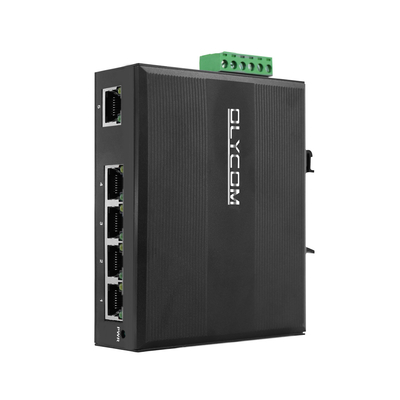
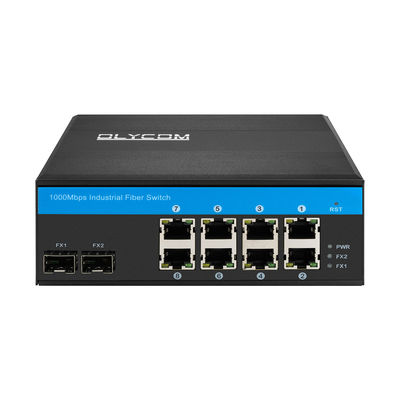
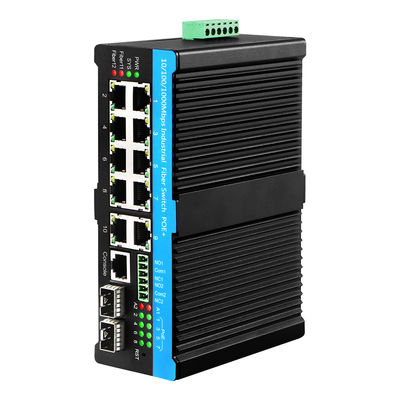
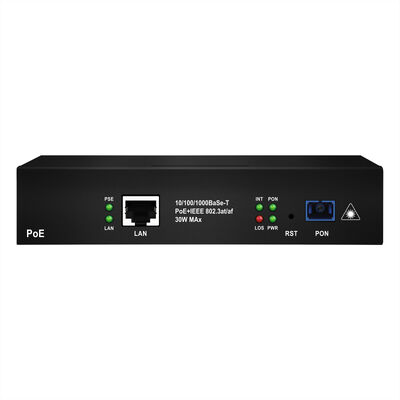
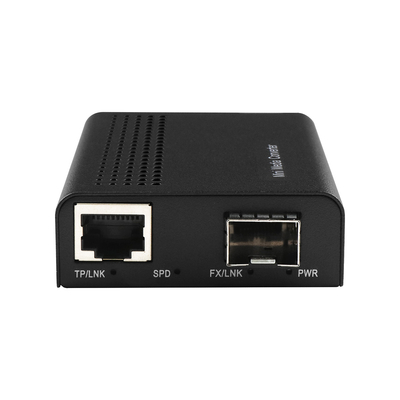
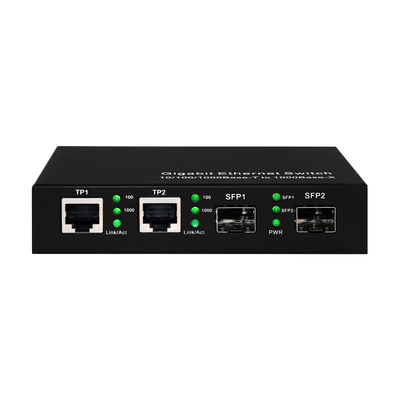
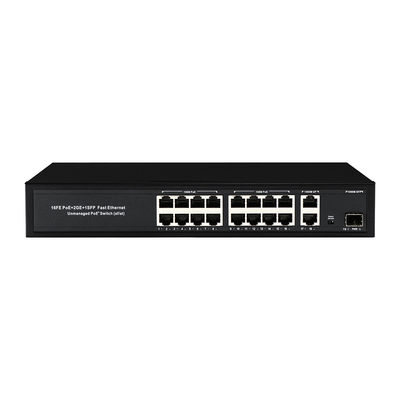
Chuyển đổi PoE công nghiệpIM-FP288GWKhông chỉ là các thiết bị kết nối; chúng là xương sống của việc triển khai ITS thế hệ tiếp theo.

1. Ring Topology: Nền tảng của mạng ITS đáng tin cậy
Trong môi trường vận chuyển, thời gian ngừng hoạt động của mạng không thể chấp nhận được.
Hệ thống giao thông phải hoạt động liên tục, bất kể sự cố hoặc gián đoạn.
Tại sao Topology Vòng Vòng quan trọng?
Biểu đồ minh họa một mạng lưới vòng sợi, trong đó nhiều công nghiệp IM-FP288GW chuyển mạch được kết nối với nhau để tạo thành một vòng kín.
Ưu điểm chính:
Thời gian phục hồi nhanh (thường là < 20 ms)
Chuyển đường tự động trong trường hợp lỗi liên kết
Tính sẵn có mạng cao
Ảnh hưởng của thế giới thực
Trong hệ thống điều khiển giao thông:
Nếu một liên kết sợi cắt, dữ liệu sẽ được chuyển hướng ngay lập tức
Camera, màn hình LED và tín hiệu điều khiển tiếp tục hoạt động không bị gián đoạn
Điều này làm cho topology vòng trở thành kiến trúc tiêu chuẩn cho mạng xương sống ITS.
2. Quản lý giao thông tập trung với thông tin phân tán
Ở đỉnh của kiến trúc là Trung tâm Kiểm soát Giao thông, kết nối qua sợi quang với các thiết bị thực địa.
Đặc điểm hệ thống
Giám sát và quản lý tập trung
Video và tổng hợp dữ liệu thời gian thực
Cấu hình từ xa các thiết bị cạnh
Tuy nhiên, các hệ thống ITS hiện đại không còn đơn thuần tập trung.
Xu hướng trí thông minh cạnh
Với các thiết bị được kết nối qua IM-FP288GW, trí thông minh được đẩy gần hơn với lĩnh vực:
Máy ảnh xử lý video tại địa phương (phân tích AI)
Màn hình LED phản ứng ngay lập tức với các điều kiện
Chuyển đổi trường quản lý ưu tiên giao thông
Kiến trúc lai này đảm bảo:
Độ trễ thấp hơn
Giảm tiêu thụ băng thông
Thời gian phản ứng nhanh hơn
3. Việc triển khai PoE: Điện + Dữ liệu qua một cáp duy nhất
Một trong những khía cạnh quan trọng nhất được hiển thị trong sơ đồ là triển khai PoE (Power over Ethernet).
Thiết bị kết nối
Camera IP PoE
Màn hình giao thông LED
Cảm biến bên đường
Tại sao PoE là thiết yếu trong ITS?
Trong môi trường ngoài trời và bên đường:
Truy cập nguồn điện AC hạn chế hoặc đắt tiền
Sự phức tạp của việc lắp đặt phải được giảm thiểu
Bảo trì phải hiệu quả
Sử dụngIM-FP21008GWCổng PoE, hệ thống cung cấp:
Điện + Dữ liệu qua một cáp Ethernet
Cài đặt đơn giản
Chi phí hạ tầng giảm
4. PoE công suất cao cho các thiết bị ITS hiện đại
PoE truyền thống không còn đủ cho thiết bị ITS hiện đại.
Sự phát triển năng lượng thiết bị
|
Loại thiết bị
|
Sức mạnh điển hình
|
|
Camera IP cơ bản
|
812W
|
|
Camera PTZ
|
20-30W
|
|
Máy ảnh AI + IR
|
30 ¢ 60W
|
|
Bảng hiển thị LED
|
30W+
|
Thách thức không đủ năng lượng:
Máy ảnh mất tầm nhìn ban đêm (bỏ hiệu IR)
Các chức năng PTZ trở nên không ổn định
Màn hình hoạt động ở độ sáng giảm
Giải pháp: Industrial PoE Switch (IM-FP288GW)
Hỗ trợ đầu ra PoE công suất cao
Đảm bảo hoạt động thiết bị ổn định
Loại bỏ sự thỏa hiệp về hiệu suất
Điều này cho phép triển khai ITS đầy đủ chức năng mà không bị hạn chế.
5Tích hợp sợi + Ethernet cho truyền tải đường dài
Các mạng ITS thường trải dài trên nhiều km đường, đòi hỏi sự kết hợp của:
Sợi quang (đối với truyền tải xương sống)
Ethernet PoE (đối với kết nối điểm cuối)
Tổng quan về kiến trúc
Sợi kết nối các công tắc IM-FP288GW qua khoảng cách dài
Ethernet kết nối các thiết bị địa phương (máy ảnh, màn hình)
Lợi ích
Phạm vi băng thông cao trên khoảng cách dài
Chống nhiễu điện từ
Hiệu suất ổn định trong môi trường khắc nghiệt
Cách tiếp cận lai này rất cần thiết cho việc triển khai thành phố thông minh và đường cao tốc.
6. Độ tin cậy ngoài trời và công nghiệp
Môi trường vận chuyển là một trong những môi trường khắc nghiệt nhất đối với thiết bị mạng.
Những thách thức
Nhiệt độ cực đoan
Bụi và độ ẩm
Sự can thiệp điện
Động (hành trình, gió, cơ sở hạ tầng)
Tại sao chuyển đổi công nghiệp quan trọng
CácIM-FP488GWđược thiết kế để:
Hoạt động nhiệt độ rộng
Khung kim loại cứng
Các thành phần công nghiệp
Hoạt động ổn định lâu dài
Điều này đảm bảo mạng vẫn hoạt động trong các kịch bản quan trọng 24/7.
7. Ứng dụng giao thông thông minh được ITS hỗ trợ
Với kiến trúc này, nhiều ứng dụng thông minh trở nên có thể:
Giám sát giao thông
Giám sát video thời gian thực
Khám phá sự cố
Phân tích luồng giao thông
Hiển thị thông tin động
Bảng thông báo LED
Các cảnh báo thời gian thực ( tai nạn, tắc nghẽn)
Thực thi thông minh
Nhận dạng biển số xe (LPR)
Hệ thống giám sát tốc độ
Quản lý thành phố tích hợp
Chia sẻ dữ liệu giữa các bộ phận
Các nền tảng điều khiển tập trung
Tất cả những điều này dựa trên một cơ sở hạ tầng mạng ổn định, năng lượng và thông minh.
8. Giảm tổng chi phí sở hữu (TCO)
Mặc dù các giải pháp PoE công nghiệp có thể xuất hiện đắt hơn ban đầu, nhưng chúng làm giảm đáng kể chi phí dài hạn.
Ưu điểm về chi phí
Không có dây cáp điện riêng biệt
Việc triển khai nhanh hơn
Sự phức tạp của bảo trì thấp hơn
Điểm hỏng giảm (không có bộ điều hợp bên ngoài)
Lợi ích hoạt động
Khởi động lại thiết bị từ xa bằng công tắc
Quản lý năng lượng tập trung
Giải quyết sự cố dễ dàng hơn
Kết quả là một mạng ITS hiệu quả và có thể mở rộng hơn.
Kết luận
Hệ thống giao thông thông minh đang thay đổi cách các thành phố quản lý di động, an toàn và cơ sở hạ tầng.
Nhưng đằng sau mỗi ứng dụng thông minh là một nền tảng mạng mạnh mẽ.
Sự kết hợp của:
- Topology vòng cho sự dư thừa
- Sợi truyền đường dài
- PoE cho việc triển khai đơn giản
- DIN PoE như IM-FP244GW
tạo ra một kiến trúc ITS mạnh mẽ, mở rộng và sẵn sàng cho tương lai.
Trong mô hình mới này, mạng không còn chỉ là một lớp truyền thông mà nó trở thành nền tảng cốt lõi cho phép vận chuyển thông minh.